Case Studies

Sustainable practices in WWII heritage: Examples from the field
Paraloup
Paraloup | Rittana, Italy
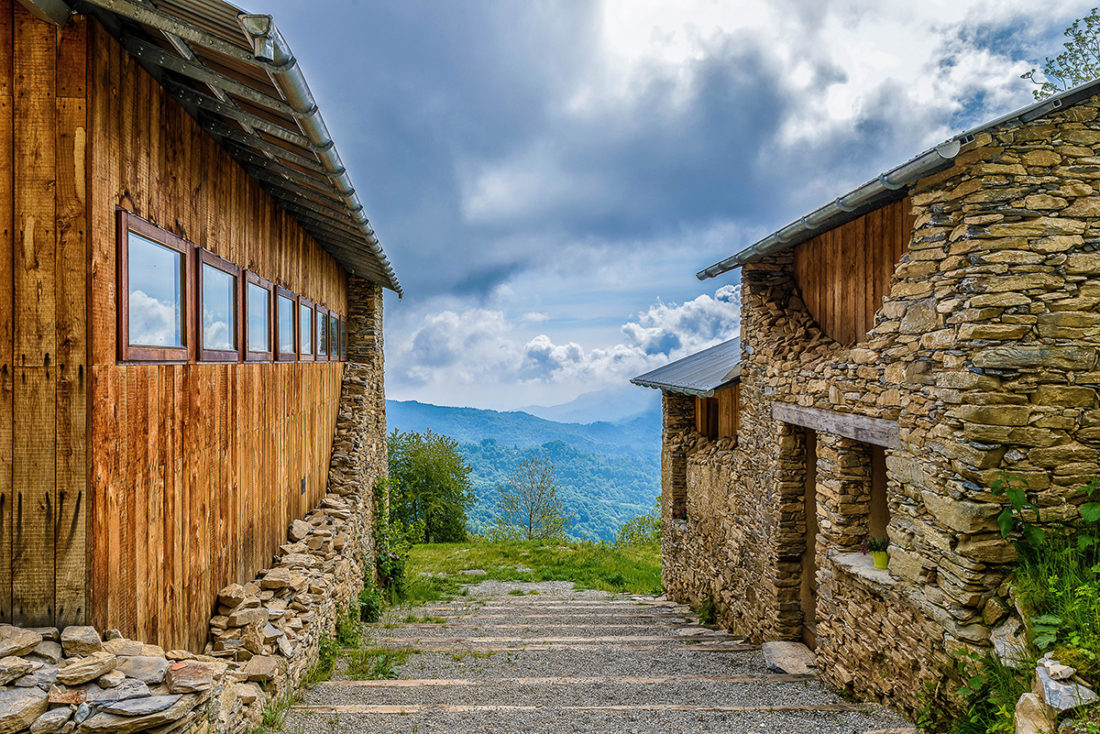
Paraloup, revitalised by the Fondazione Nuto Revelli, is a small alpine village in the Piedmont region. Once abandoned, it has been restored as a place of memory and a space open to contemporary cultural, artistic, and educational activities. The village includes restored historic buildings and new structures designed by leading architectural studios, using natural materials and energy-efficient solutions that respect the surrounding landscape and heritage. With the motto “La memoria radicata nel futuro” (“Memory rooted in the future”), Paraloup now hosts exhibitions, workshops, artist and writer residencies, and initiatives aimed especially at younger generations. The project also contributes to the care of its natural surroundings and the revitalisation of the local area. Today, Paraloup is a laboratory of cultural and social innovation, supporting a sustainable return to life, creativity, and development in the mountains, guided by a deep awareness of historical memory.

Museum of the Second World War, Gdańsk
Museum of the Second World War, Gdańsk | Gdańsk, Poland | 2026
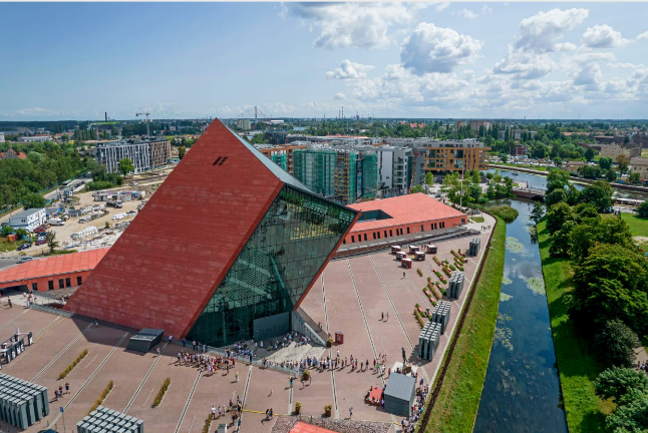
The Museum aims to preserve the war’s material and immaterial evidence, conduct research, create a comprehensive and accurate account of the war, and disseminate knowledge about it to audiences worldwide. They believe that only by placing the unique wartime experiences of Poles within the broader context of European and global events is it possible to convey their full significance. They believe a profound reflection on the past should inspire the rejection of violence as a tool of politics. The main exhibition, opened on 23 March 2017, serves to fulfil this mission. It is complemented by temporary exhibitions, publications, educational initiatives, and cultural events, which help to share the message with audiences from Poland and across the globe. The museum operates a branch on Westerplatte Museum. The museum is fostering strong relationships with the local community and is managed with a sense of responsibility for the public funds and the environment in which it operates.
The Juno Beach Centre
Juno Beach Centre | Courseulles-sur-mer, France
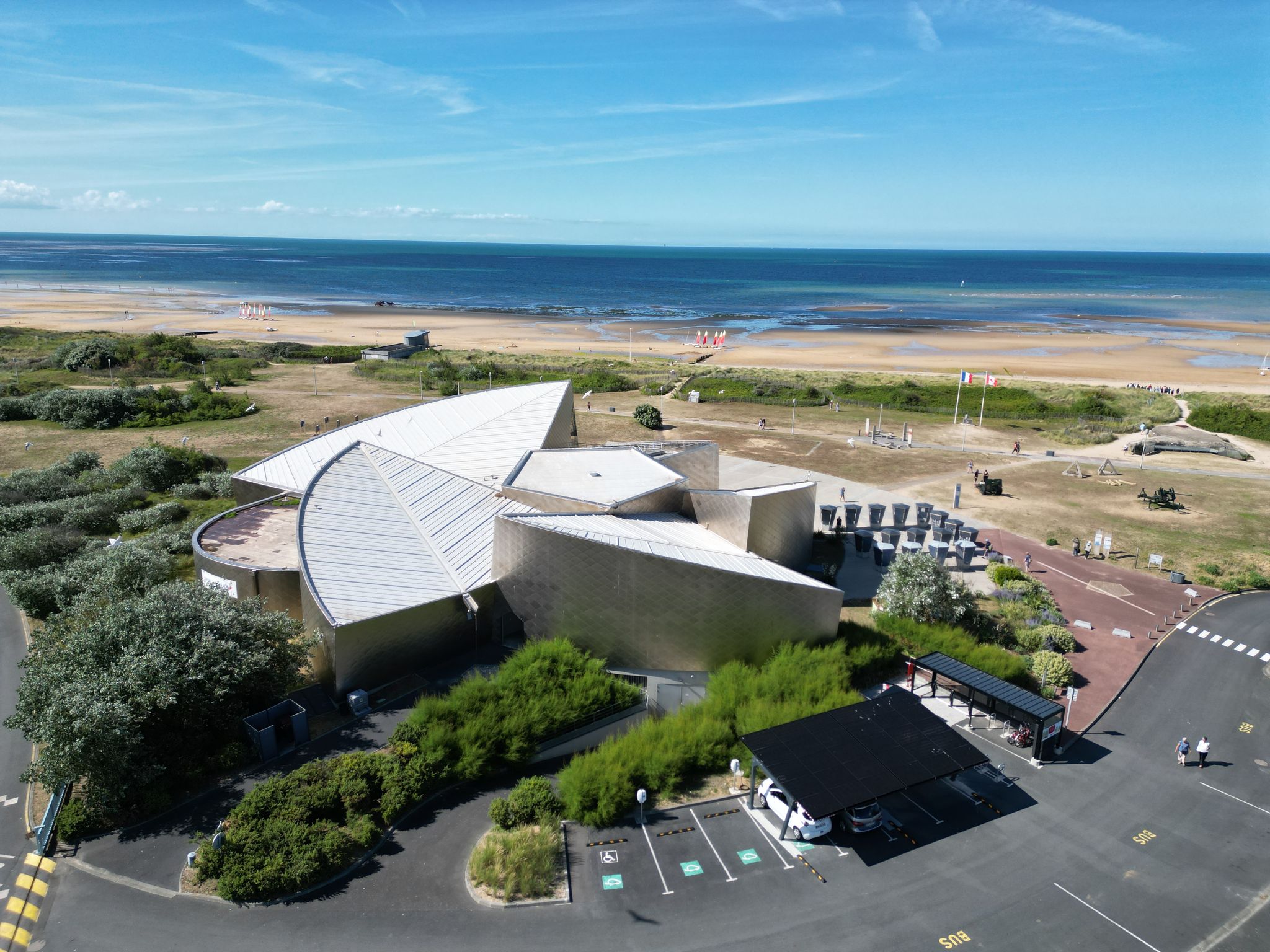
The Juno Beach Centre is Canada’s Second World War Museum and cultural centre. Located in Normandy, France, it pays homage to the 45,000 Canadians who lost their lives during the War, of which 5,500 were killed during the Battle of Normandy and 381 on D-Day. Opened in 2003 by veterans and volunteers with a vision to create a permanent memorial to all Canadians who served during the Second World War, the Centre’s mandate is to preserve this legacy for future generations through education and remembrance.  Under the affirmation “They fought to protect our country and our freedom. Together, we must protect what they fought for”, the Juno Beach Centre fosters a respectful relationship with its environment. Committed to social and environmental sustainability, they implement initiatives from solar panel installation and local biodiversity conservation to a strong social commitment to the community following the framework of the SDGs and with a full transparency policy.
Normandy Tourism
Normandy Tourism | Caen | France
Normandy Tourism is the official tourism board of Normandy, dedicated to promoting sustainable travel options that reduce carbon footprints while enhancing visitors’ experiences. The region, known for its rich history, scenic landscapes, and cultural heritage, is committed to developing a tourism model that aligns with environmental responsibility and community well-being. Normandie Tourism has two key mottos “Low-carbon stays, family adventures, and historical immersion” and “Visit & preserve”. They promote low-carbon and slow travel by prioritising sustainable mobility, supporting local providers, and encouraging eco-friendly practices while raising awareness among travellers. Initiatives such as a 10% discount for visitors using public transport or bicycles, the hop-on, hop-off bus service, and a website that simplifies sustainability options make it easier for tourists to choose greener, more responsible travel choices.
Kunsthistorisches Museum
Kunsthistorisches Museum | Wien, Austria
The Kunsthistorisches Museum Wien (KHM) is Austria’s largest museum, dedicated to preserving and showcasing invaluable art and historical artifacts. It has committed to integrating sustainable practices across all areas of its operations, viewing sustainability as an ever-ongoing goal. In 2022, KHM was awarded the Austrian Ecolabel certification.  As the museum states, “Climate change and its far-reaching consequences for the Earth’s ecological system is history in the making. Cultural institutions bear a social responsibility for coming generations.” In alignment with this responsibility, KHM’s sustainability efforts focus on energy efficiency, biodiversity initiatives, waste management, eco-friendly exhibitions and community engagement. Moving past an exclusive focus on environmental sustainability, KHM offers a broader and more inclusive approach with initiatives like Accessibility Day, which features inclusive tours, including tactile, sign language, and dementia-friendly tours.
English Heritage
English Heritage | United Kingdom
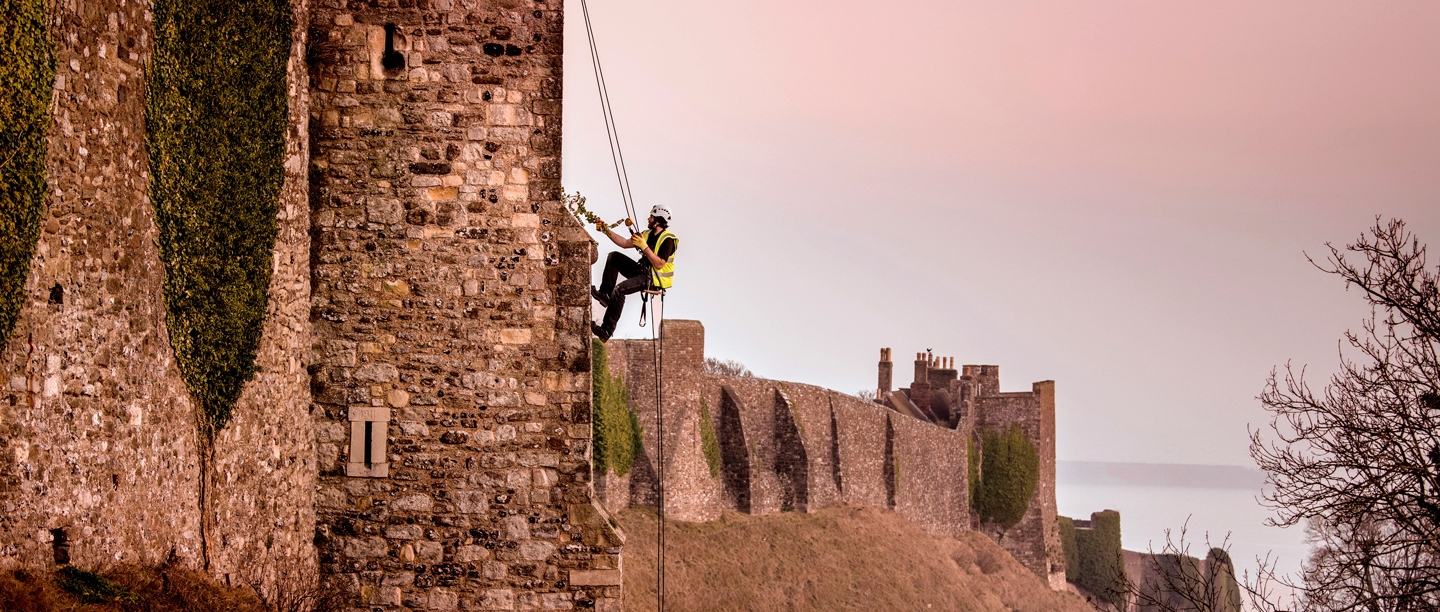
English Heritage is a charitable organization responsible for managing over 880 historic sites across England. Its mission is to conserve these sites for the benefit of present and future generations. While conservation is inherently a sustainable practice, its efforts continue through strategies like the Climate Action Plan, developed collaboratively with staff and volunteers, in which they commit to achieving Carbon Net Zero by 2040. Under the statement ” Sharing our past, shaping our future”, the organisation addresses environmental challenges, promotes biodiversity and the circular economy, and engages with communities in sustainable practices, exemplifying responsible heritage preservation. Progress is made public on their website through their annual report.
Commonwealth War Graves Commission
Commonwealth War Graves Commission (CWGC) | Headquartered in the UK, operates in 153 countries
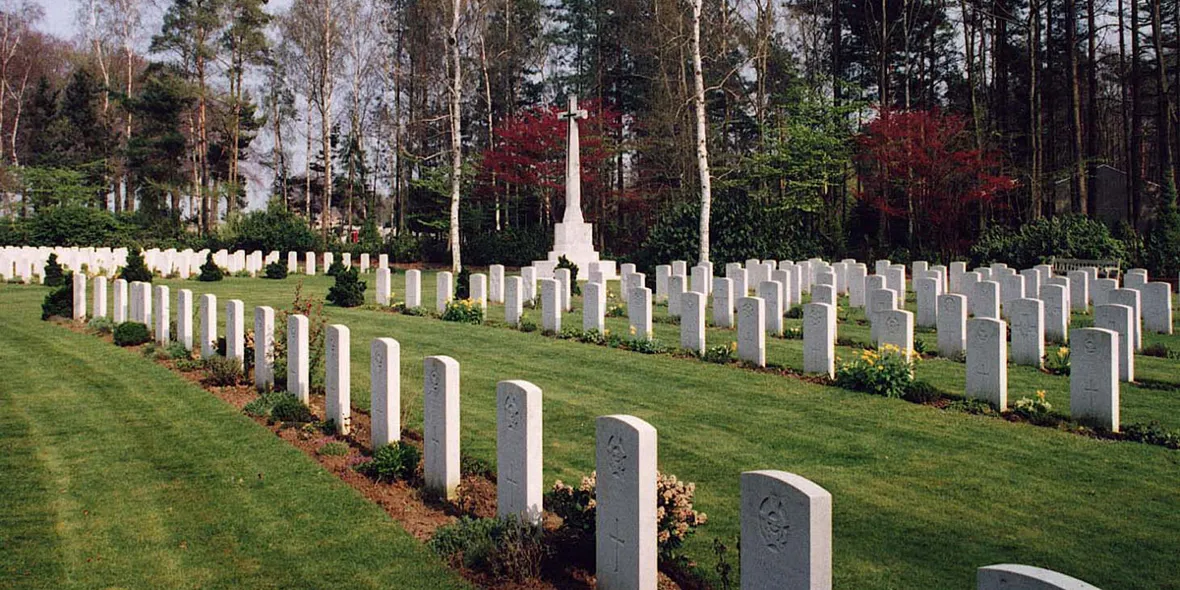
The CWGC is responsible for the care and preservation of cemeteries and memorials honouring the 1.7 million Commonwealth men and women who lost their lives in the two World Wars. With sites spanning 153 countries, the CWGC ensures that these places of remembrance remain dignified, respectful, and well-maintained. Under the commitment “Caring for the Fallen, Protecting the Future,” the CWGC integrates sustainability into its core mission. Through a long-term sustainability strategy, it is reducing its carbon footprint, enhancing biodiversity, and implementing circular economy principles into its operations. CWGC’s sustainability efforts are aligned with the SDGs, ensuring contribution to global initiatives in climate action, conservation, and responsible resource use. Progress is publicly reported in its annual reports on its website.